Tattoo placement guide
How placement changes visibility, pain, detail and how your tattoo ages — plus the best spots for each.

Where a tattoo goes changes almost everything about it: how often you see it, who else sees it, how much it hurts, how much detail it can hold and how it ages. Here's what to weigh up.
Visibility
Think about your work, your wardrobe and how often you want to see it yourself. Forearms and hands are always on show; the upper arm, thigh, back and ribs are easy to cover.
Size and detail
Detail needs room. A design that looks great on screen can blur if it's squeezed into a small space. Larger, flatter areas — thigh, back, upper arm — hold detail best. Small spots suit simple designs.
How it ages
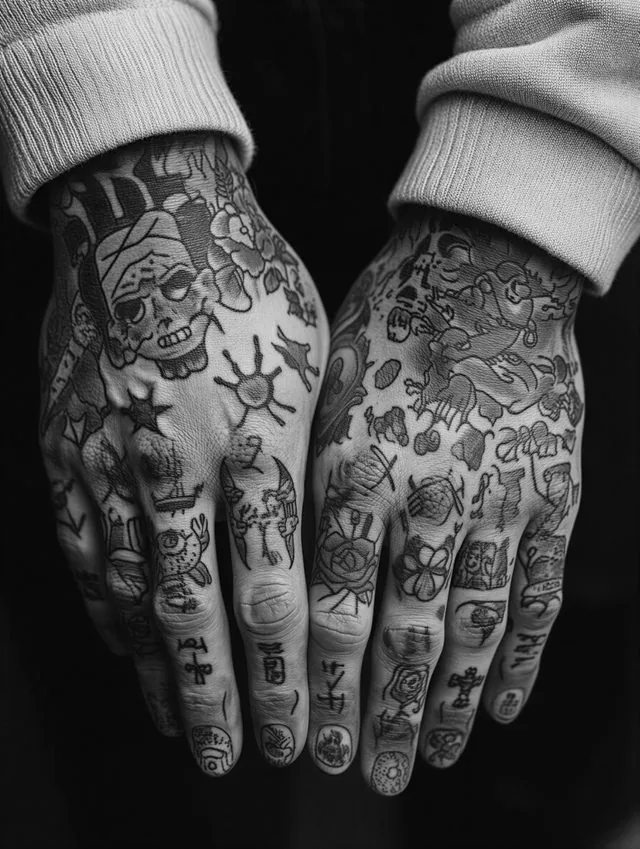
- Hands, fingers and feet rub and regenerate quickly, so tattoos there fade and blur faster.
- Areas that see a lot of sun fade faster — sunscreen keeps them sharp.
- Areas that change shape a lot over time may stretch the design.
Flow
Good placement follows the body. Long designs suit forearms, calves and spines; round designs suit shoulders, knees and the sternum. Preview it on your own body in Tatts to check the fit before you book.
| Placement | Visibility | Pain | Best for |
|---|---|---|---|
| Forearm | High | Low–medium | First tattoos, script, fine-line |
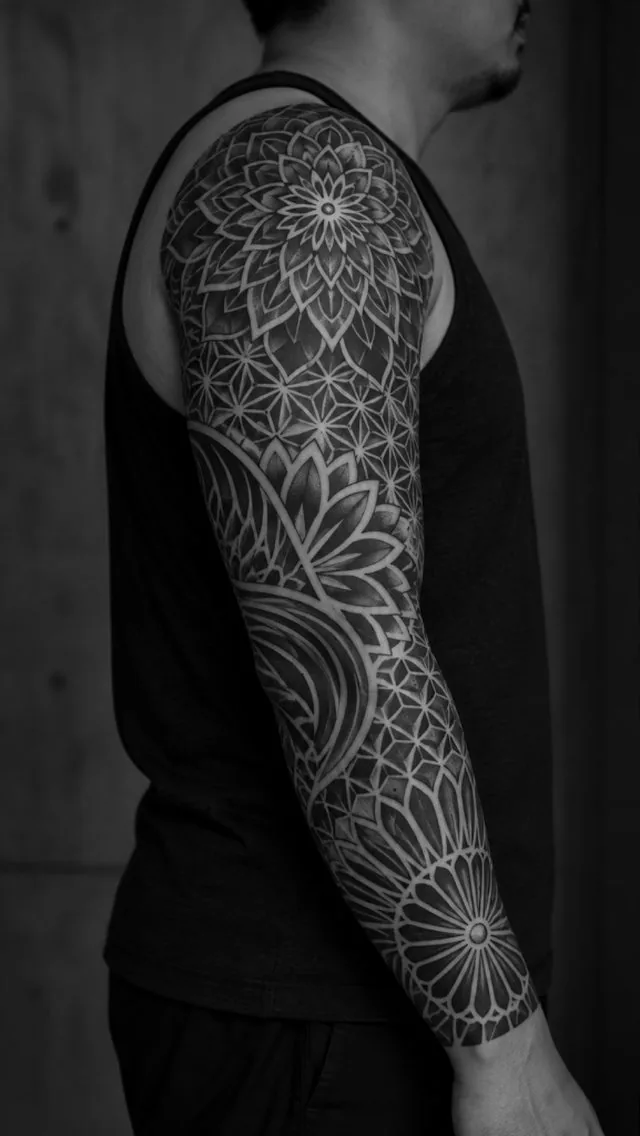
| Upper arm | Easy to cover | Low | Traditional, realism, sleeves |
| Thigh | Easy to cover | Low | Large, detailed pieces |
| Calf | Medium | Low–medium | Vertical designs, traditional |
| Back | Easy to cover | Medium | Big statement pieces |
| Ribs | Easy to cover | High | Script, fine-line, florals |
| Sternum | Easy to cover | High | Mandalas, symmetrical designs |
| Hands & fingers | Very high | High | Small, bold, simple designs |
| Ankle & foot | Medium | High | Small, simple designs |